
Two years ago, after a career of teaching children how to create, I sat down to make some art myself.
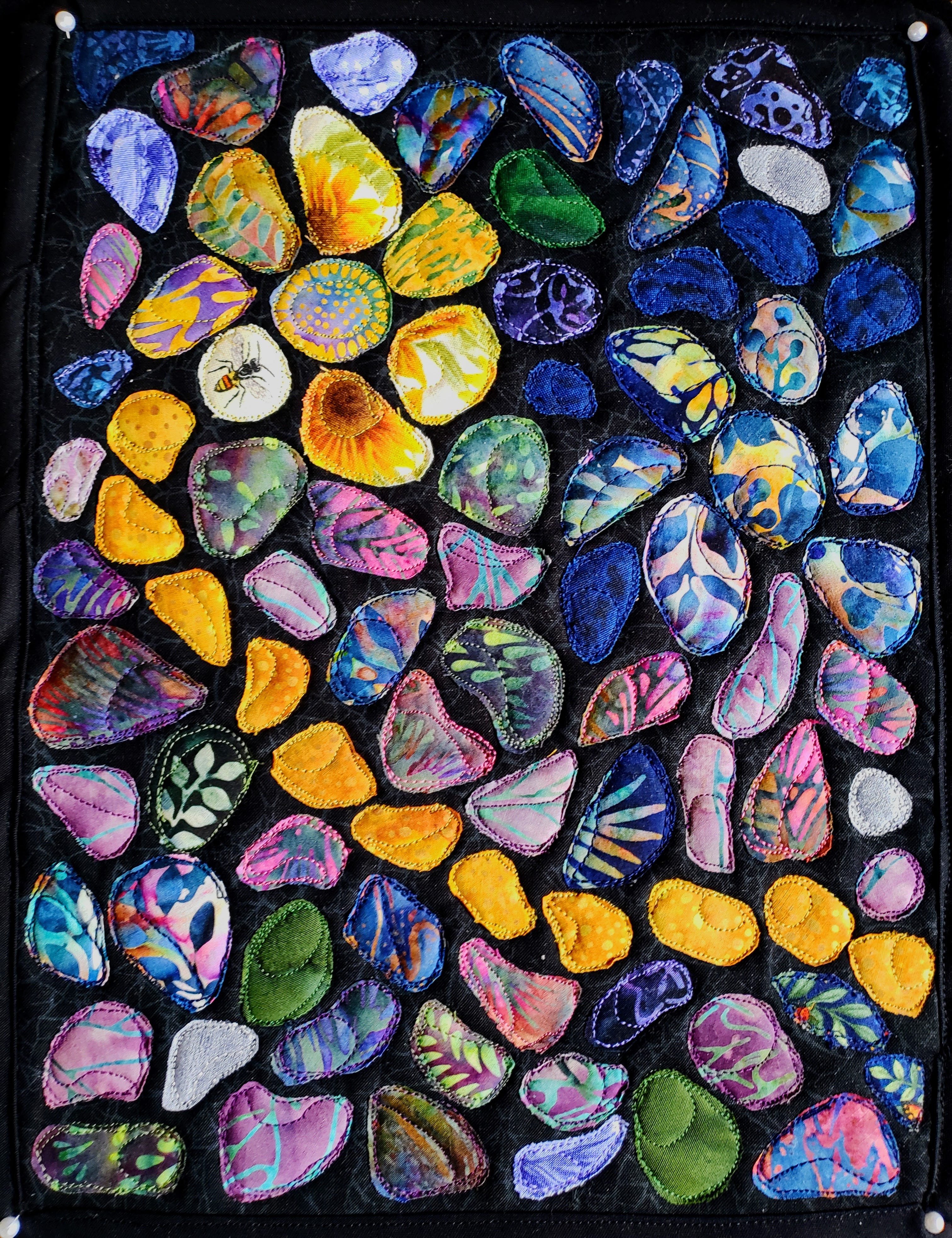
Of all the arts I explored—song-writing, fabric art, acrylics, aquarium- and terrarium-making, for example, writing had the most patient and persistent call.
When I was young, I wrote all the time. Over the years I’ve published articles and written poetry. I never, ever had the hunger to write a novel, but to my surprise, that’s what I am doing now. I started my book in early 2024 and finished the first draft on January 17, 2025. (Yes, I celebrated.) It is YA and it is ugly. But it is mine and I will make it beautiful, just you wait and see.
I’m learning as I go. It wasn’t until I began that I discovered what the questions were. So I’ve been reading books on writing, and one of the first was Saves the Cat! Writes a Novel1 by Jessica Brody.
I had sketched out the plot before I read that book. The book showed me I had it all wrong and so I obligingly molded my idea to what it taught. It felt like squeezing a foot into Cinderella’s glass slipper. It sorta fit and I hobbled through the writing, getting better and better at writing chapters as I got to love my characters and discovered what the story was about.
But the climax didn’t work because something was fundamentally wrong with my story. I can’t blame the Saves the Cat! [STC!], because—newby writer. But now I am reading Story Trumps Structure; How to Write Unforgettable Fiction by Breaking the Rules2 and lights are coming on in all of imagination’s rooms.
First, the author allows for the complexity of storytelling. I have read fiction that doesn’t fit neatly in the 15-beat structure explained in STC! Or if it does, I find the quantitative reasoning of STC! less suited to my way of thinking than the qualitative wisdom of Story Trumps Structure [STS].
STS feels more organic. It focuses on the reader’s emotional journey and expectations. It respects the reader, and as a reader myself, I appreciate that. This passage made me realize it would be worth my time to deepen my story:
Today’s readers are discerning and demanding. You’re fighting against thousands of television shows and video games, millions of books and movies, and billions of websites and tweets for people’s attention. Writing multilayered tales that emotionally engage readers is the best way to keep them enthralled by your story.3
His analysis works for me. He says:
Four things keep readers flipping pages—concern, curiosity, escalation, and enjoyment. If readers don’t care what happens, or they stop wondering what will happen, or they sense that the most important things have already happened, or they’re not entertained by what is happening, they’ll lost interest in the story.
Actually, that last reason—enjoyment—can hardly be overrated. As ludicrous as a story may be, as long as readers are having fun with it, they’ll be forgiving and keep turning pages.4
Yep! Checks out!
His emphasis on the emotional qualities of a story echoes another book I read this winter, The Emotional Craft of Fiction; How to Write the Story Beneath the Surface5. That book had me thinking about the emotional reactions of my characters. I knew I had been writing flat characters, figuring Draft Zero was about working out the plot. In my later chapters, I practiced some of the 34 techniques taught in The Emotional Craft of Fiction.
For me, STS confirms the necessity of the emotional journey for the reader and shows me how to shape my novel with that in mind. It asks the right questions. When I sit down with STS, I have a fistful of highlighters, a fountain pen, and my writing notebook. I take notes and then I brainstorm to solve my problems. My notebook is a wonderful mess of outrageous ideas.

The problem with the climax? It turns out my problem-to-be-solved is a subplot and that my protagonist needs a better reason to begin his journey in my Portal-Quest Fantasy6. As I mined my imagination along these veins, I uncovered some crystalline rocks that, if tapped here and there, could become jewels that will sparkle for the reader.
If I had to recommend a book to a young writer, it would be Story Trumps Structure first. While the others have taught me lessons I have successfully incorporated, STS is a no-nonsense gray-haired craftsman who guides my whittling while he carves a mantelpiece for a mansion.
With books such as Story Trumps Structure maybe I could complete—someday—a truly beautiful novel.
I’m moving Letters from Heart’s Content from Word Press to Substack. LFHC is a reader-supported publication. To receive new posts and support my work, consider becoming a free subscriber. https://rutheholleran.substack.com/
1 Brody, Jessica, Saves the Cat! Writes a Novel (New York: Ten Speed Press, 2018)
2 James, Steven, Story Trumps Structure (Cincinnati, Ohio: Writer’s Digest Books, 2014)
3 Ibid, page 42.
4 Ibid, page 56
5 Maass, Donald, The Emotional Craft of Fiction (Writer’s Digest Books, 2016)
6 From Rhetorics of Fantasy by Farah Mendlesohn, who apparently despises the genre for all the reasons I love it.








 Letters from Heart's Content